by admin | Sep 14, 2026 | CNC Machining
True position is one of the most commonly used geometric tolerances on engineering drawings, particularly for holes, bores, pins and other features that must align correctly within an assembly. At first glance, it can appear more complicated than a conventional...
by admin | Sep 7, 2026 | CNC Machining
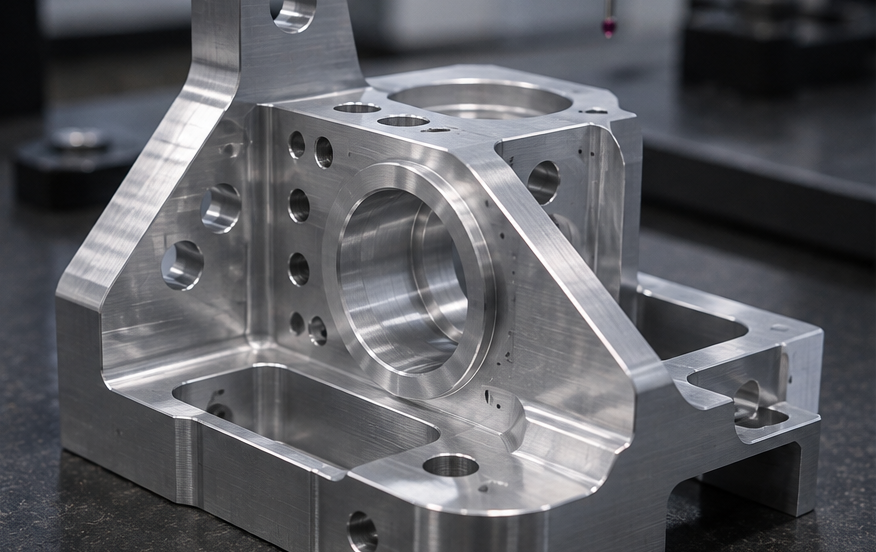
Datums are fundamental to many engineering drawings because they establish the reference framework used to locate, orient and inspect important component features. They help ensure that designers, machinists and inspectors are all working from the same set of...
by admin | Sep 1, 2026 | CNC Machining
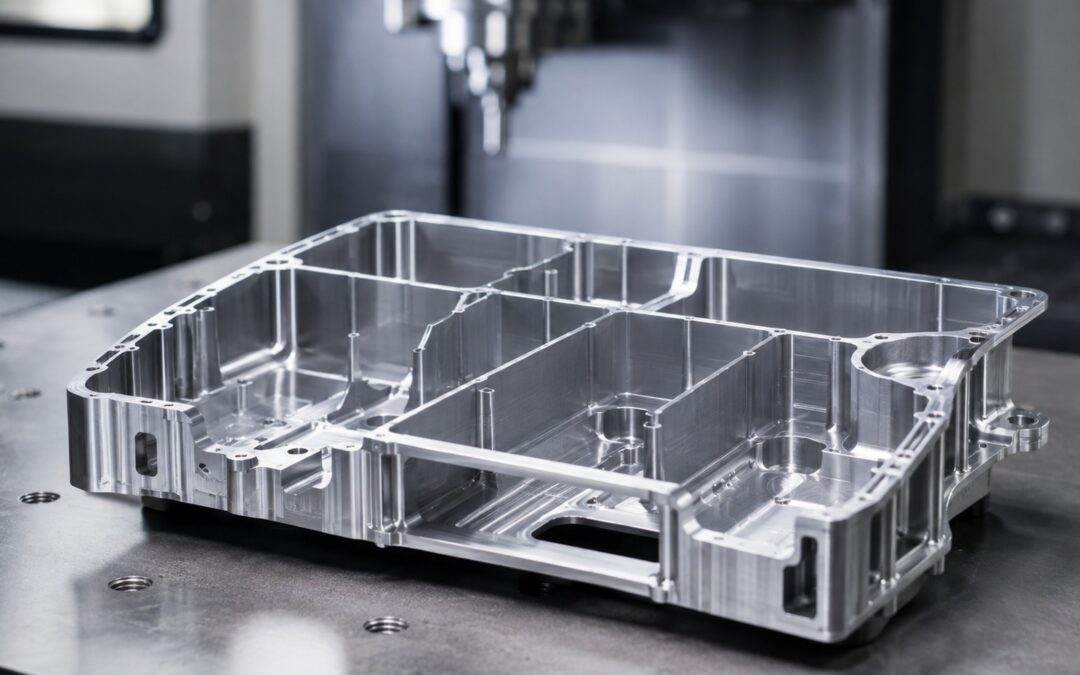
Flatness and parallelism are two common geometric tolerances used on engineering drawings, and although they can look similar at first glance, they control different characteristics of a machined component. Flatness controls the form of an individual surface, while...
by admin | Aug 31, 2026 | CNC Machining
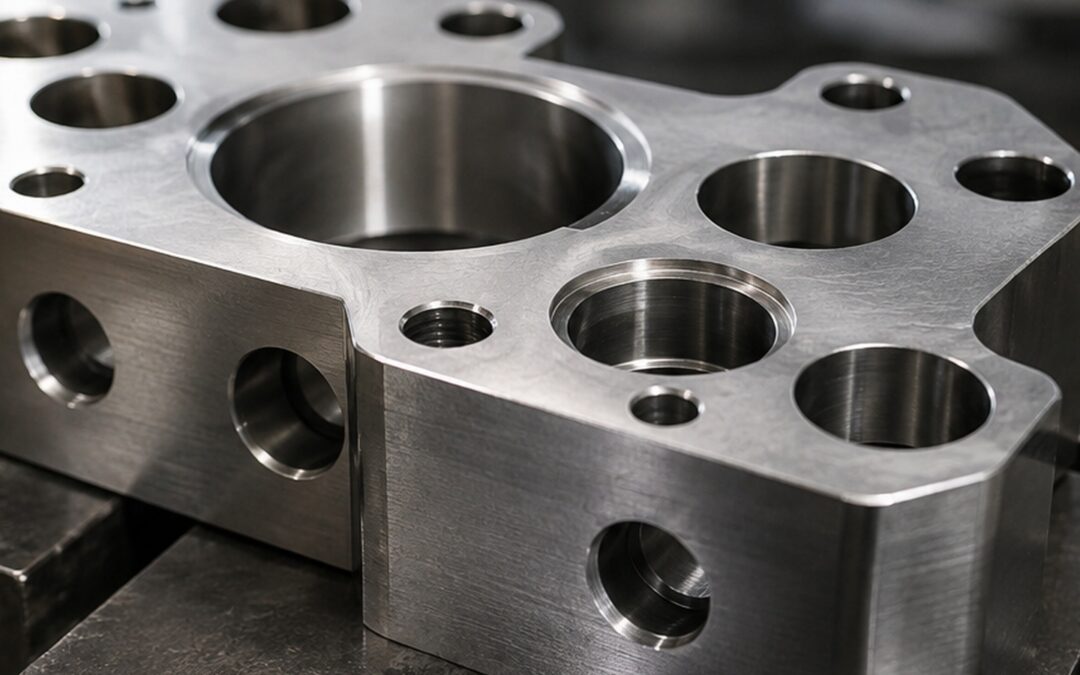
Holes are among the most common features found on CNC-machined components.They can also be among the most functionally important. A hole may simply provide clearance for a fastener, or it may locate a dowel, carry a bearing, guide a shaft, provide a sealing surface or...
by admin | Aug 25, 2026 | CNC Machining
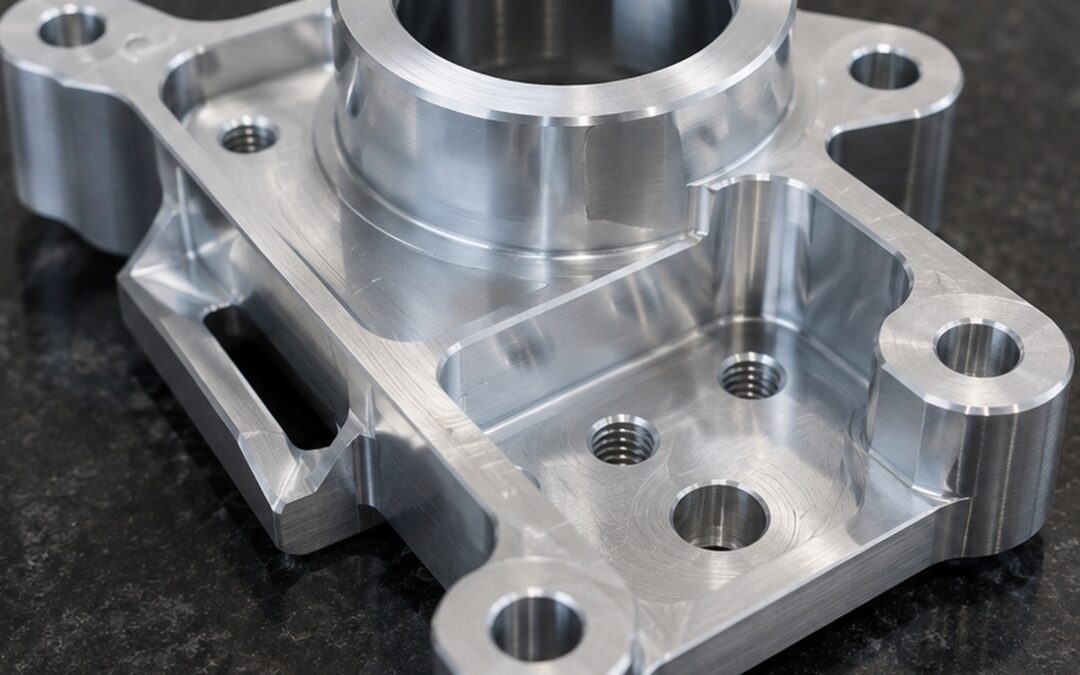
“Break all sharp edges” is one of those engineering drawing instructions that appears simple until someone has to decide exactly what it means. For a CNC machining supplier, the intention is usually clear: finished components should not be supplied with unwanted burrs...