01244 533 421 sales@tarvinprecision.co.uk
  • QUICK MESSAGE
  • REQUEST QUOTE
Tarvin Precision
  • Home
  • Services
    • CNC Machining
      • CNC Milling
      • CNC Turning
      • 5-Axis Machining
    • Precision Engineering
    • Product Assembly
      • Sub & Full Assembly
      • Clean Assembly
    • Reverse Engineering
  • Sectors
    • Aerospace
    • Defence
    • Marine
    • Scientific / Medical
    • Automotive
    • Mining
    • Something Else?
  • Why Tarvin Precision?
    • Quality Assured
    • Accreditation
    • Sustainability & Social Value
    • Areas We Serve
    • Careers
  • LinkedIn
  • News & Insights
Select Page
Surface Finish Ra Explained: What Designers and Buyers Need to Specify

Surface Finish Ra Explained: What Designers and Buyers Need to Specify

by admin | Sep 22, 2026 | CNC Machining, Precision Engineering

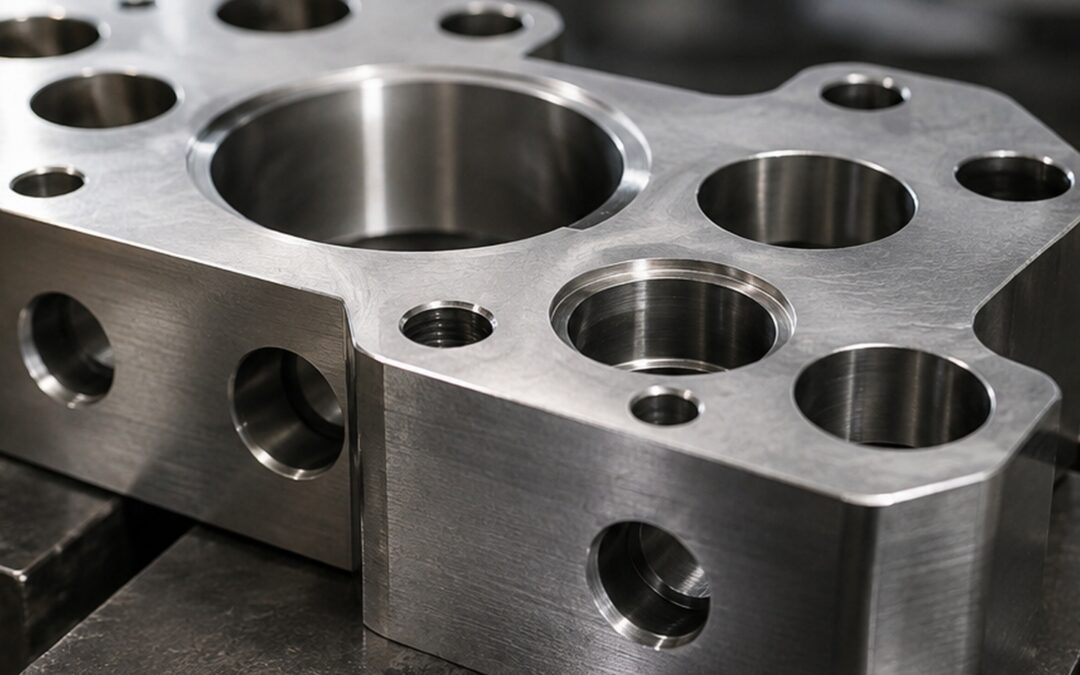
Surface finish is an important consideration on many CNC-machined components, but it is also an area where drawings can easily become more restrictive than necessary. A surface that looks visually smooth is not necessarily suitable for every function, and a surface...
True Position Tolerance Explained for CNC Machined Parts

True Position Tolerance Explained for CNC Machined Parts

by admin | Sep 14, 2026 | CNC Machining

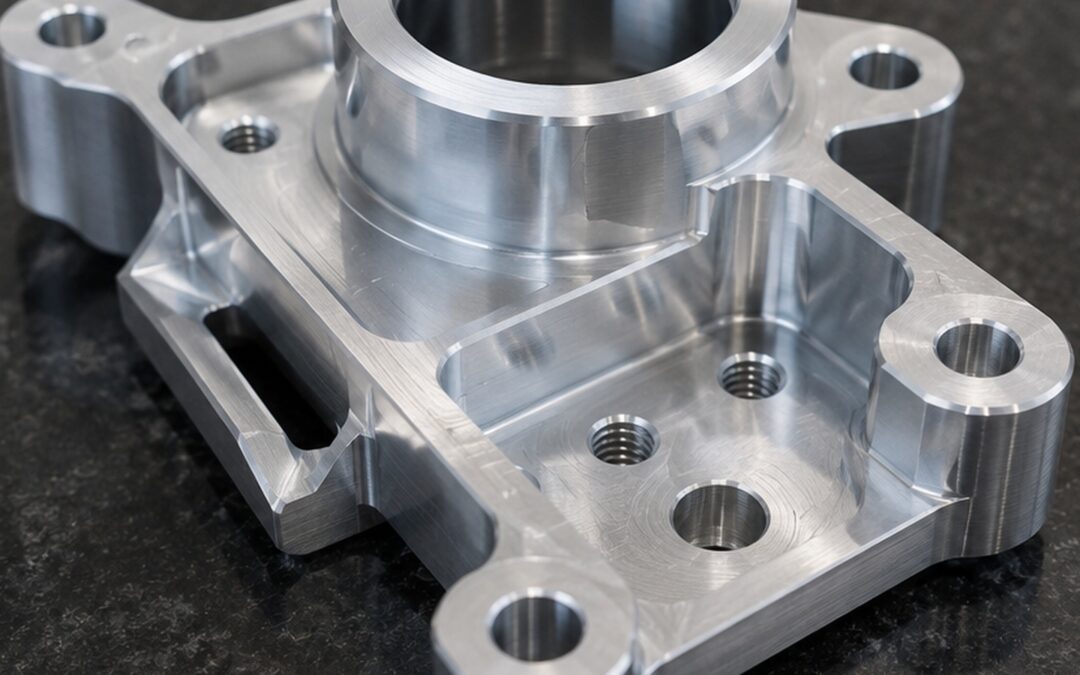
True position is one of the most commonly used geometric tolerances on engineering drawings, particularly for holes, bores, pins and other features that must align correctly within an assembly. At first glance, it can appear more complicated than a conventional...
Datums on Engineering Drawings: How They Control CNC Machining and Inspection

Datums on Engineering Drawings: How They Control CNC Machining and Inspection

by admin | Sep 7, 2026 | CNC Machining

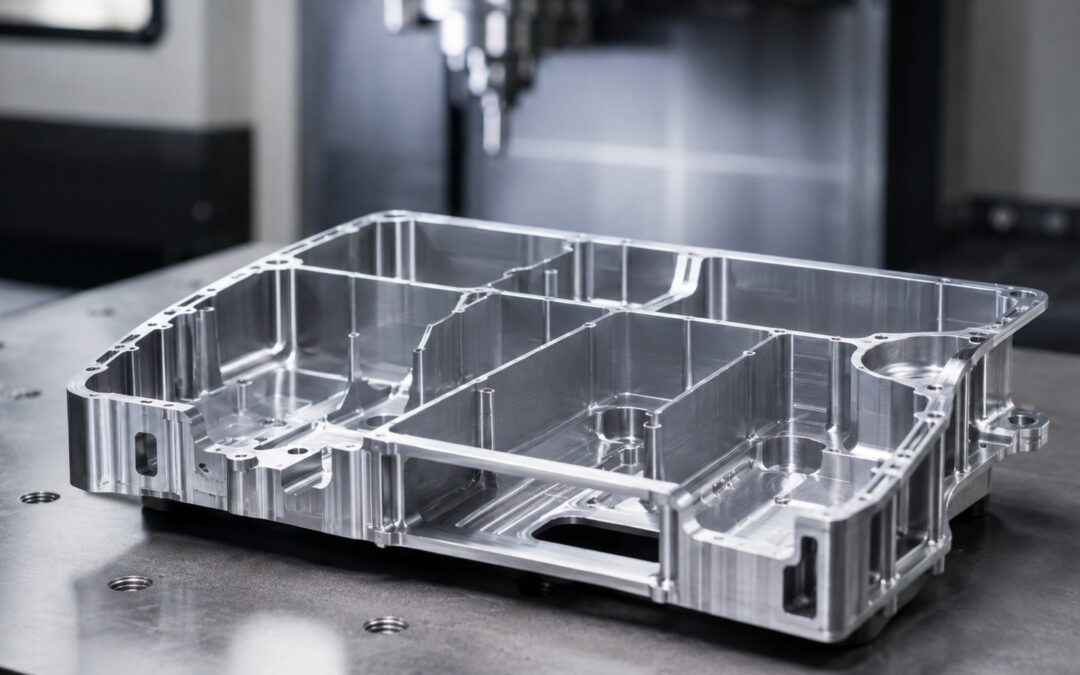
Datums are fundamental to many engineering drawings because they establish the reference framework used to locate, orient and inspect important component features. They help ensure that designers, machinists and inspectors are all working from the same set of...
Flatness vs Parallelism in CNC Machining: What’s the Difference?

Flatness vs Parallelism in CNC Machining: What’s the Difference?

by admin | Sep 1, 2026 | CNC Machining

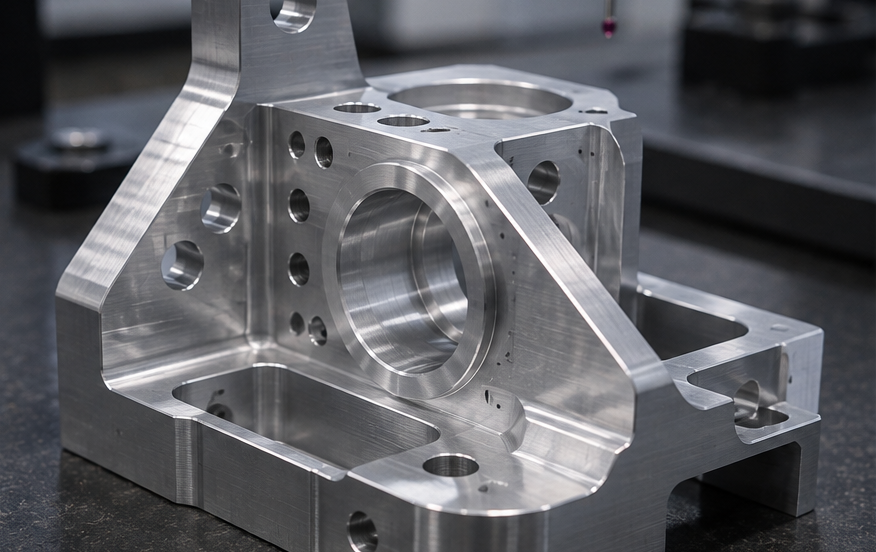
Flatness and parallelism are two common geometric tolerances used on engineering drawings, and although they can look similar at first glance, they control different characteristics of a machined component. Flatness controls the form of an individual surface, while...
CNC Machining Hole Tolerance: Drilling, Reaming and Boring Explained

CNC Machining Hole Tolerance: Drilling, Reaming and Boring Explained

by admin | Aug 31, 2026 | CNC Machining

Holes are among the most common features found on CNC-machined components.They can also be among the most functionally important. A hole may simply provide clearance for a fastener, or it may locate a dowel, carry a bearing, guide a shaft, provide a sealing surface or...

« Older Entries
Next Entries »

Recent Posts

  • Defence Procurement: Why JOSCAR, AS9100 and Supply Chain Assurance Matter
  • Inside the Part: CNC Machined 7075 Aluminium Cylinder for Pipeline Pigging
  • Precision CNC Machined Components for Defence: Materials, Tolerances and Traceability
  • Inside the Part: CNC Machined Brass Anode Hooks for Electroforming
  • Choosing a JOSCAR-Registered CNC Machining Supplier for UK Defence Projects

Recent Comments

No comments to show.

Services

CNC Machining Services UK
CNC Milling Service
5-Axis CNC Machining
Sub Contract Assembly Service
Precision Components
Reverse Engineering Parts

Sectors

Aerospace Precision Machining
Defence Sector Precision Engineering
Scientific Instrument Machining
Marine Precision Engineering

CNC Machining Automotive
Precision Components Mining

Areas We Serve

Precision Engineering Services UK
CNC Machining Manchester
CNC Machining Deeside
CNC Machining Flintshire

© 1995-2026 Tarvin Precision Limited | Terms & Conditions | Privacy Policy | Cookies Policy | Design by PFM