by admin | Sep 1, 2026 | CNC Machining
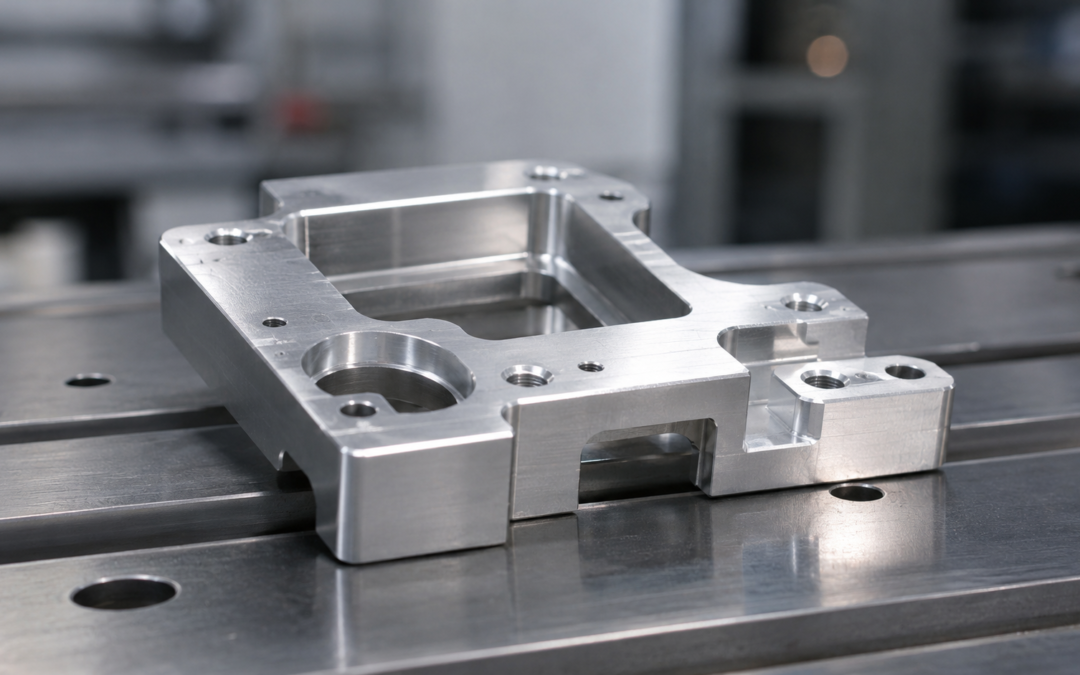
Flatness and parallelism are two common geometric tolerances used on engineering drawings, and although they can look similar at first glance, they control different characteristics of a machined component. Flatness controls the form of an individual surface, while...
by admin | Aug 31, 2026 | CNC Machining
Holes are among the most common features found on CNC-machined components.They can also be among the most functionally important. A hole may simply provide clearance for a fastener, or it may locate a dowel, carry a bearing, guide a shaft, provide a sealing surface or...
by admin | Aug 25, 2026 | CNC Machining
“Break all sharp edges” is one of those engineering drawing instructions that appears simple until someone has to decide exactly what it means. For a CNC machining supplier, the intention is usually clear: finished components should not be supplied with unwanted burrs...
by admin | Aug 16, 2026 | CNC Machining
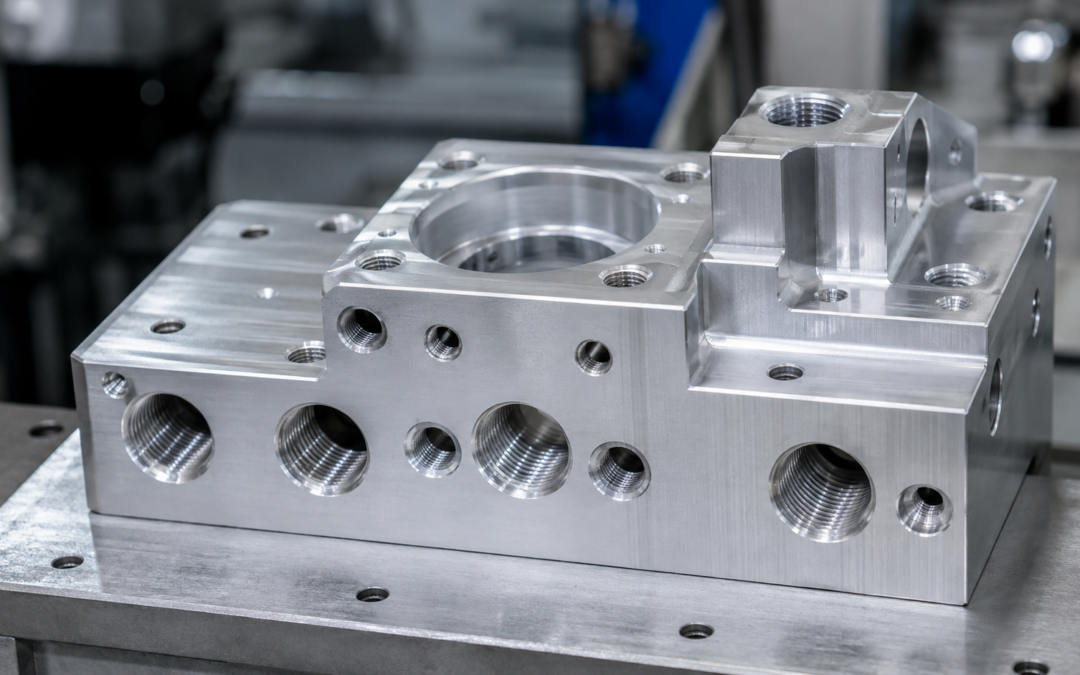
Threaded holes are among the most common features found on CNC-machined components. They may be used to attach covers, secure assemblies, locate brackets, mount electronic equipment or connect one precision-machined part to another. Although a tapped hole can look...
by admin | Aug 11, 2026 | CNC Machining
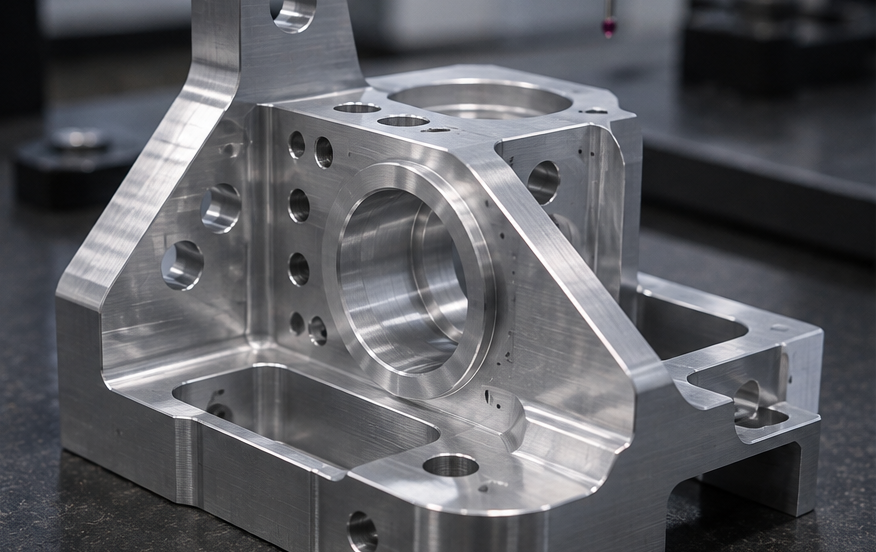
Internal corner radii can appear to be a relatively minor detail on a CNC-machined component. In practice, they can influence tool selection, machining strategy, cycle time, surface finish and manufacturing cost. The reason is simple: a rotating milling cutter is...
by admin | Aug 4, 2026 | CNC Machining
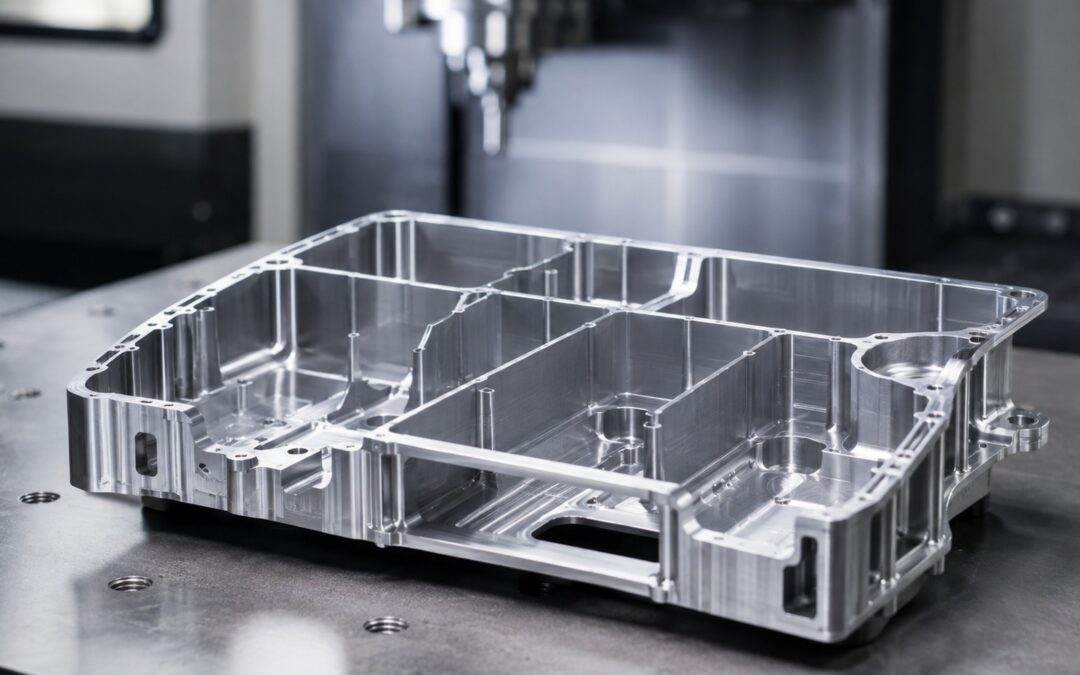
Thin-walled components can look relatively straightforward on an engineering drawing. In practice, however, removing material from a component until only thin sections remain can create some of the more challenging conditions encountered in precision CNC machining. As...